
A patient on methimazole for Graves disease comes to the emergency department with a fever of 39.4 degrees Celsius and a sore throat. The sore throat is the clue. On exam, the pharynx is beefy red with patches of gray exudate. There is no cervical lymphadenopathy, no tonsillar enlargement — just a raw, necrotic-looking pharyngeal mucosa. The CBC returns: white blood cell count 1,200 per microliter, absolute neutrophil count zero. The bone marrow has stopped making granulocytes. This is drug-induced agranulocytosis, a Type B adverse drug reaction: unpredictable, dose-independent, and mediated by either direct toxicity to myeloid precursors or immune-mediated destruction of circulating neutrophils. The most common culprits are antithyroid drugs (methimazole, propylthiouracil), clozapine, ticlopidine, and sulfasalazine. The mechanism in methimazole-induced agranulocytosis is thought to be immune-mediated: the drug or a metabolite acts as a hapten, binding to neutrophil membrane proteins and creating a neoantigen that triggers antibody production. The antibodies coat the neutrophils and target them for destruction in the spleen, while simultaneously suppressing granulopoiesis in the marrow. The result is an empty bone marrow and a neutrophil count of zero.
Without neutrophils, the patient has no first-line defense against bacteria. The mouth, normally colonized with a mixed flora kept in check by intact mucosa and patrolling neutrophils, becomes a portal of entry. Bacteria that a healthy immune system would clear in minutes — oral streptococci, anaerobes, gram-negative rods — now invade the submucosa and multiply unchecked. The sore throat is not a viral pharyngitis; it is necrotizing bacterial invasion of pharyngeal tissue in the absence of neutrophils. The fever is not a cytokine response to a virus; it is bacteremia. Within hours, the patient can progress to septic shock. The absolute neutrophil count is the single most important number in the management of this patient, and it is zero.
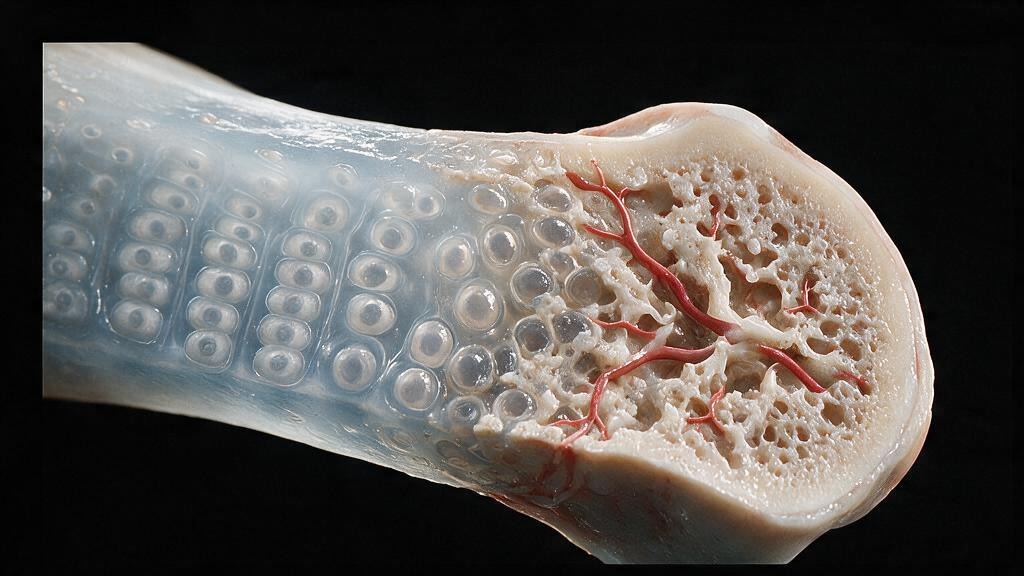
The diagnosis of agranulocytosis is made not by bone marrow biopsy but by the CBC differential. The absolute neutrophil count (ANC) is calculated as: ANC equals WBC count multiplied by the percentage of neutrophils and bands. A normal ANC is above 1,500 cells per microliter. Mild neutropenia is 1,000 to 1,500. Moderate is 500 to 1,000. Severe is below 500. Agranulocytosis is essentially an ANC of zero — or so close to zero that the automated differential cannot find a single neutrophil on the smear. A manual differential confirms: lymphocytes, monocytes, maybe a few eosinophils, but no segmented neutrophils, no bands, no metamyelocytes. The myeloid lineage has been erased. The marrow, if biopsied, shows a "maturation arrest" at the promyelocyte stage: the earliest granulocyte precursors are present, but everything beyond them — myelocytes, metamyelocytes, bands, segmented neutrophils — is absent. This is the histologic signature of immune-mediated destruction of the granulocyte lineage.
The management of drug-induced agranulocytosis has three pillars. First: stop the offending drug immediately. The half-life of methimazole is 4 to 6 hours, but the myelosuppressive effect can persist for weeks because the immune-mediated destruction outlasts the drug's presence in the plasma. Second: broad-spectrum antibiotics. A febrile neutropenic patient with an ANC of zero gets antibiotics within one hour of presentation — this is a quality metric tracked by every hospital. The standard regimen is an antipseudomonal beta-lactam (cefepime, piperacillin-tazobactam, or meropenem) plus vancomycin if there is concern for MRSA or a catheter-associated infection. Antifungal coverage is added if fever persists beyond 4 to 7 days. Third: granulocyte colony-stimulating factor (G-CSF, filgrastim). G-CSF stimulates the surviving myeloid precursors to proliferate and mature, shortening the duration of neutropenia by 2 to 4 days. It does not treat the underlying cause — the immune destruction — but it buys time by accelerating recovery. The ANC is checked daily. When it rises above 500, the immediate danger has passed. When it rises above 1,500, the patient can go home — with a new drug for their Graves disease and a permanent allergy listed for methimazole.

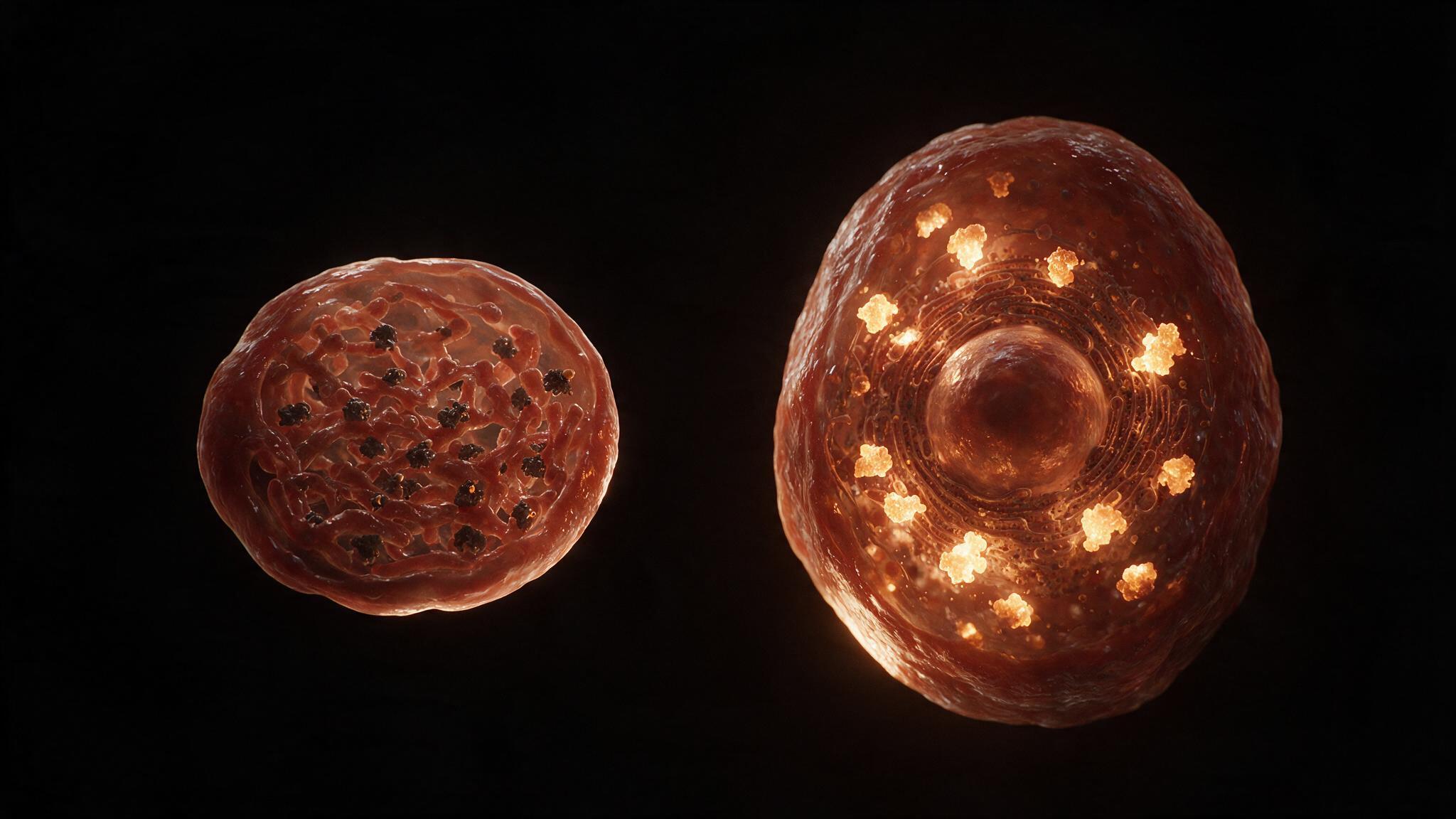
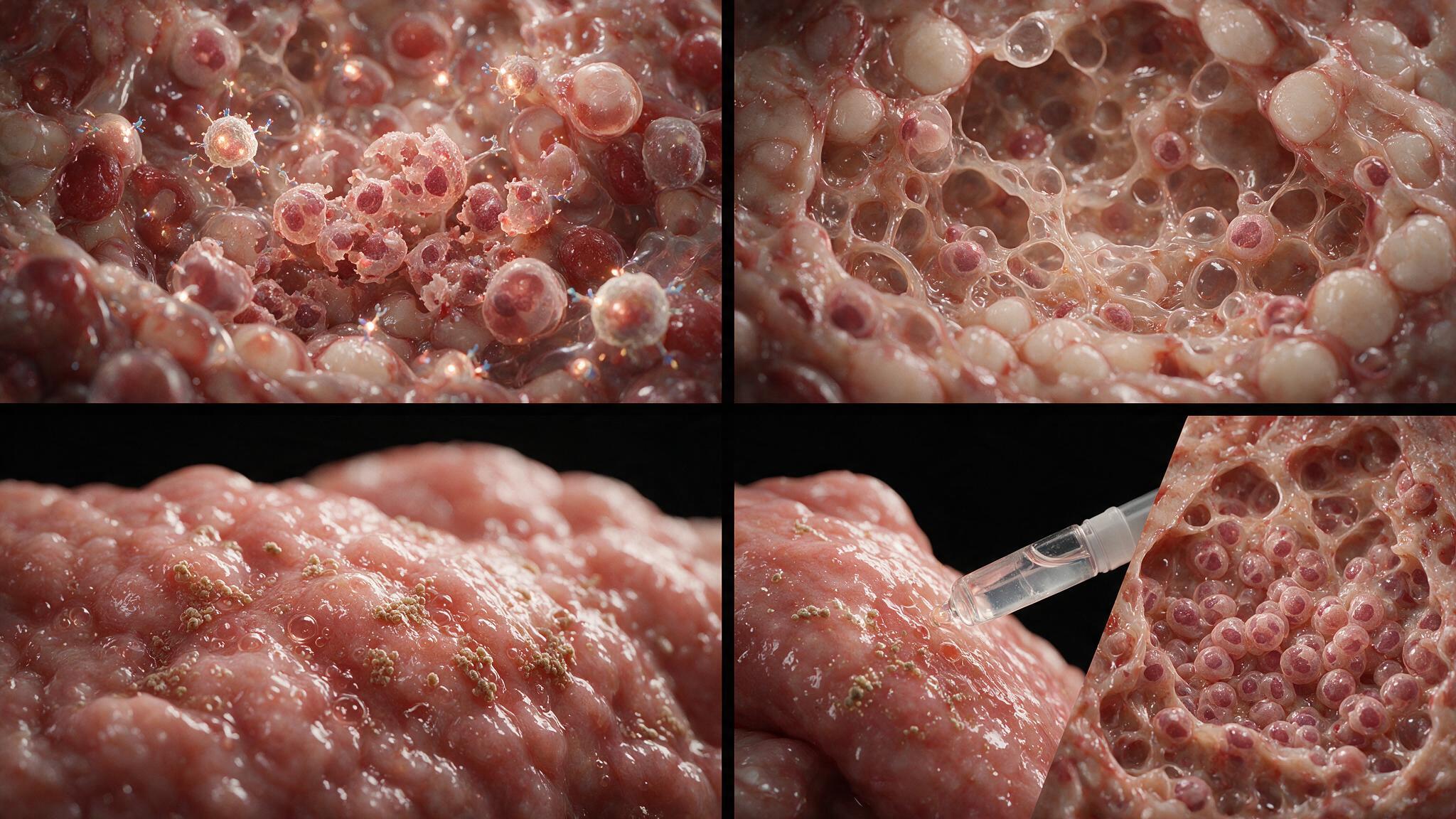
Agranulocytosis is a hematologic emergency that presents as a sore throat. The disconnect between the chief complaint (sore throat, fever) and the laboratory finding (ANC of zero) is what makes it so dangerous: a clinician who does not check the CBC in a febrile patient on methimazole or clozapine will miss it. The mortality rate of untreated febrile neutropenia approaches 50 percent, almost entirely from gram-negative sepsis. With prompt antibiotics, G-CSF, and supportive care, the mortality rate falls below 5 percent. The bone marrow recovers. The neutrophil count climbs. The patient leaves the hospital with a new understanding of why they must never take that drug again, and a medical alert bracelet that says "agranulocytosis." The illustrations in this series capture the arc of the disease: the empty bone marrow, the fever spike, the necrotic pharynx, and the slow return of neutrophils to a circulation that, without them, is defenseless.
You're set. We'll send the full write-up to your inbox shortly.